Description

Roller Bearing 101
A Complete Guide on Function & Design
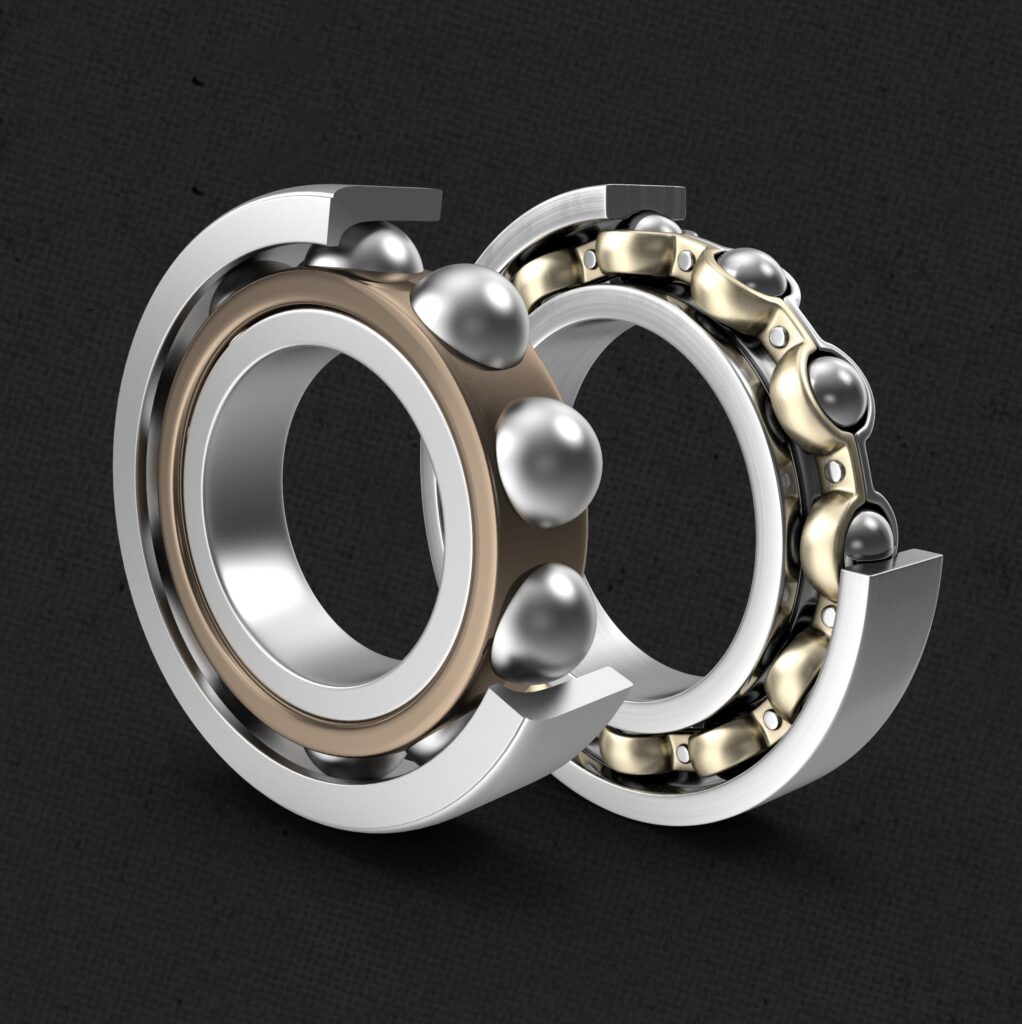
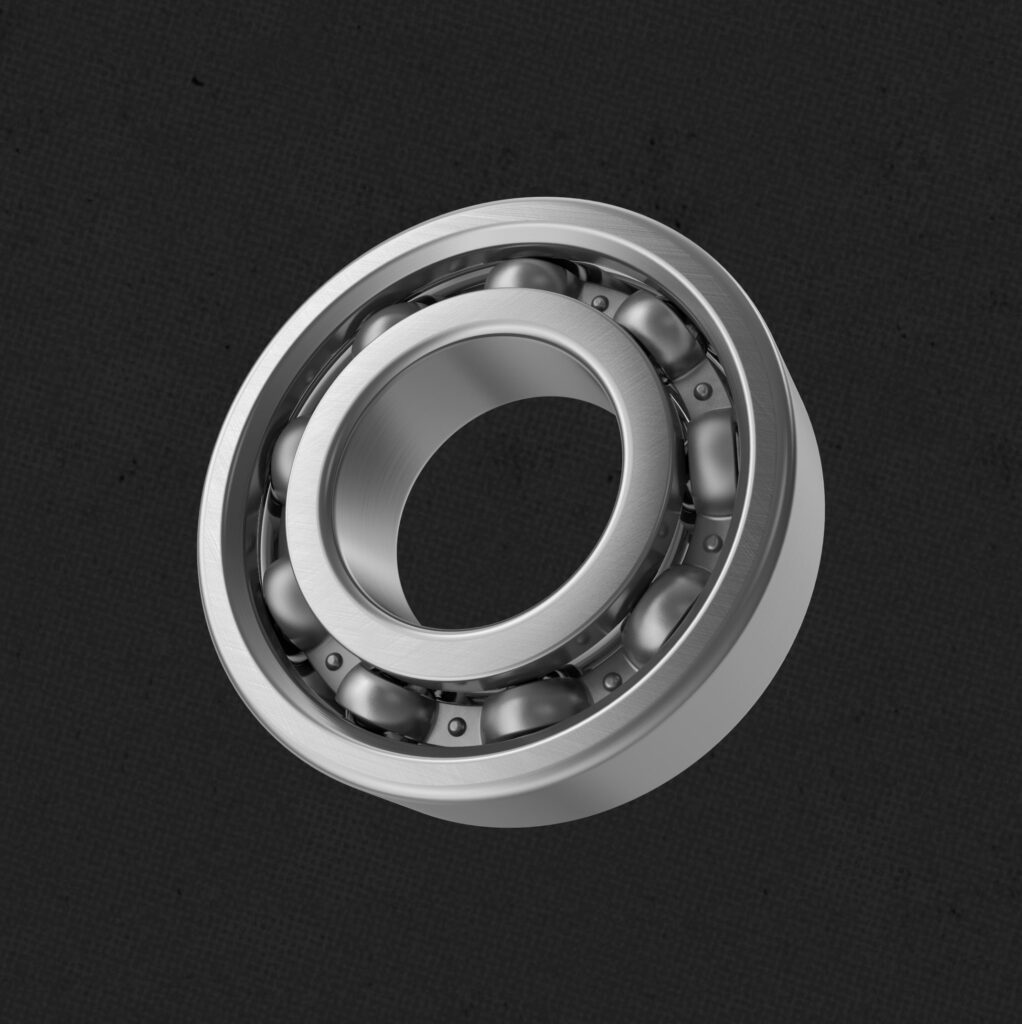
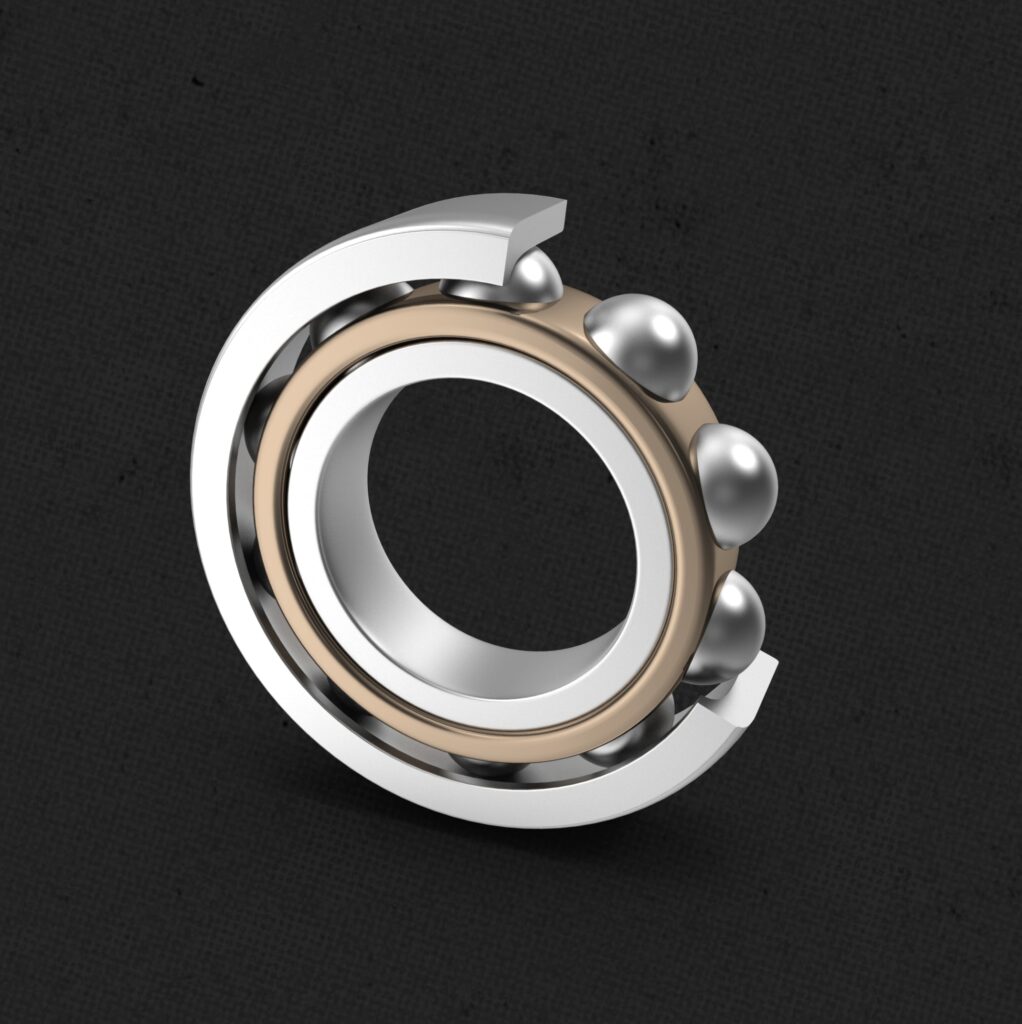
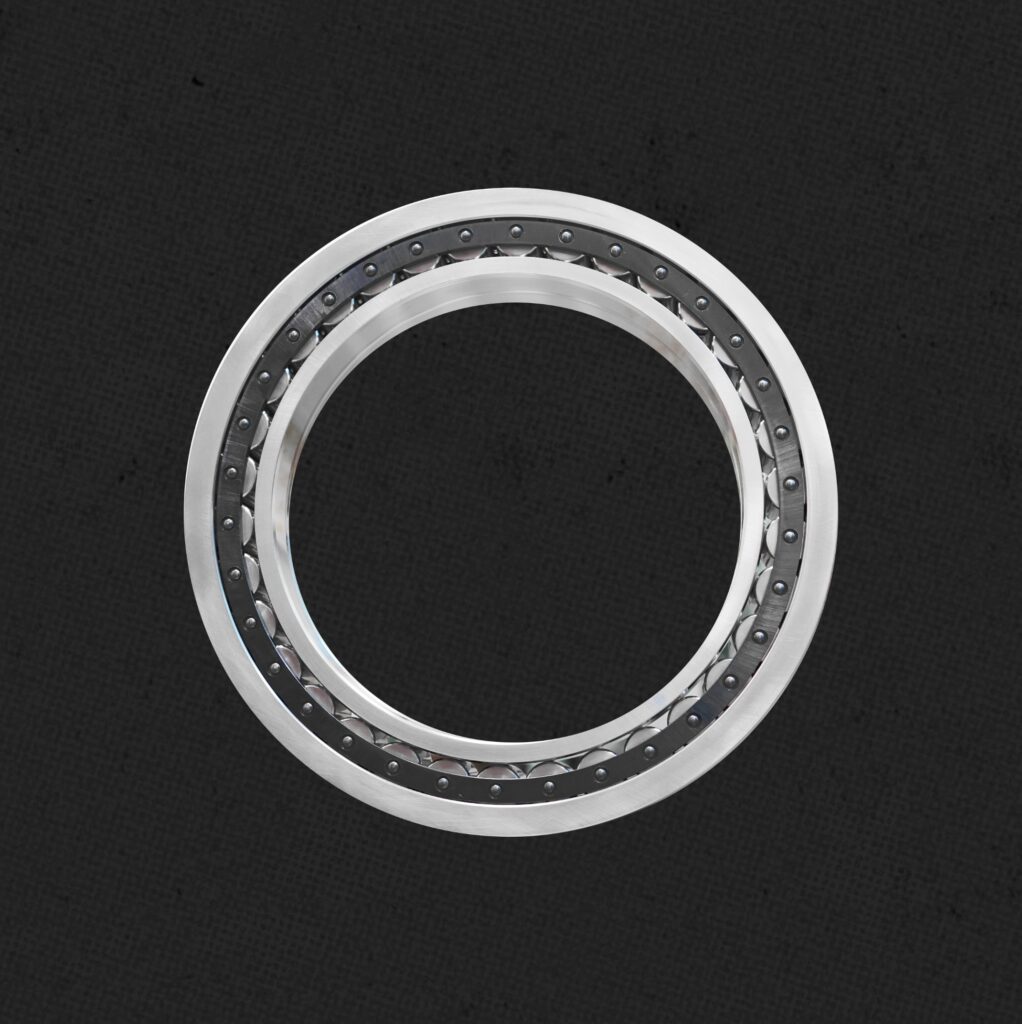
A roller bearing, or a rolling-element bearing, is a mechanical component designed to support and guide the rotating shaft while minimizing friction between moving parts. Like a ball bearing, it can reduce friction because of the rolling elements inside the bearing, maintaining a separation between the inner and outer races. Unlike a ball bearing, which houses small steel balls to reduce surface friction, roller bearings use cylindrical, tapered, needle-shaped, or spherical rollers. The size and shape of the rolling elements play a key role in determining what load a bearing can handle and how fast it rotates under pressure.
Before we continue, let’s discuss the most critical components of a roller bearing.
Inside a Roller Bearing
Roller bearings are highly utilized and efficient mechanical components. Their design features several critical elements contributing to the bearing’s functionality and durability.

The Inner Race, or Inner Ring, of a roller bearing forms the inner track on which the rolling elements move. Directly mounted to the shaft, the inner race carries the load from the shaft to the rollers and acts as the primary load-carrying surface for the bearing.
The Outer Race, or outer ring, forms the outer track of the rollers. This element is stationary, holding the bearing in place while transferring loads from the rolling elements to the housing unit.
Raceways are smooth grooves inside of the inner and outer rings. This is where the rolling elements make surface contact.
Rolling Elements, or rollers, move along the raceways in the inner and outer rings. Size, spacing, and composition play a part in the bearing’s load capacity.
The Cage, or the retainer, holds the rolling elements in place and keeps them from touching. Doing so reduces friction and wear.

A Design That Stands Out
Key Design Features That Make A Roller Bearing
Every component in a roller bearing is carefully optimized to support, stabilize, and sustain performance in an application for a long time. Below are some examples of where roller bearings stand out.
Load Capacity
One of the most notable characteristics of a roller bearing is its capacity to support substantial loads. More contact between the roller and the raceway allows it to handle both radial and axial loads. The size, length/diameter, and shape of the roller determines its load-carrying capacity.
Surface Finish & Geometry
Carefully designed grooves in the raceway help distribute loads evenly across the rollers and provide a smooth track for the chrome steel balls to work.The smooth surface minimizes friction and prioritizes motion efficiency making roller bearings uniquely equipped to reduce energy loss and handle stress.
Heat Resistance
Due to advanced bearing technologies like heat-resistant metal or material coatings, roller bearings excel in high-heat environments and places where corrosion is a risk.
Types of Roller Bearings
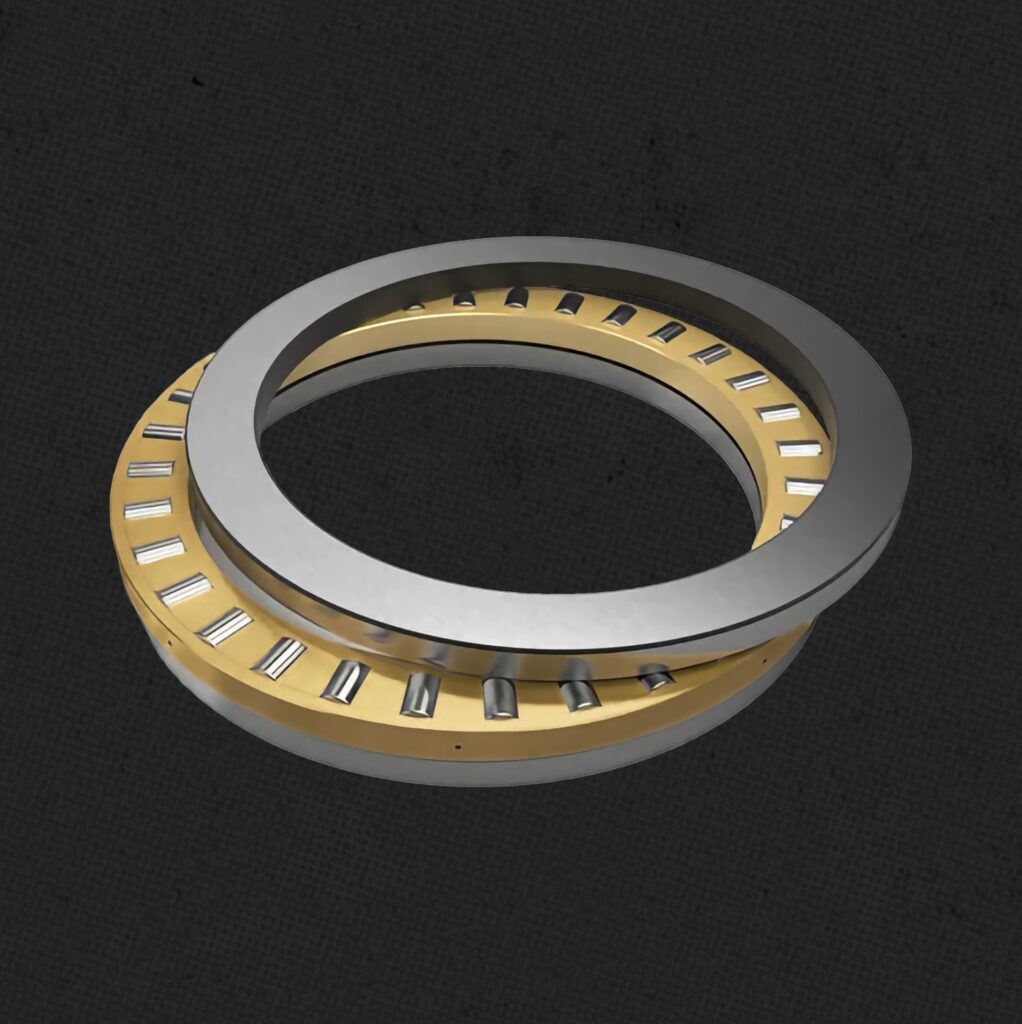
Four main types of roller bearings exist and are commonly used in many industries. They are needle, cylindrical, spherical, and tapered roller bearings. Each bearing has its own unique advantages and optimal setting.
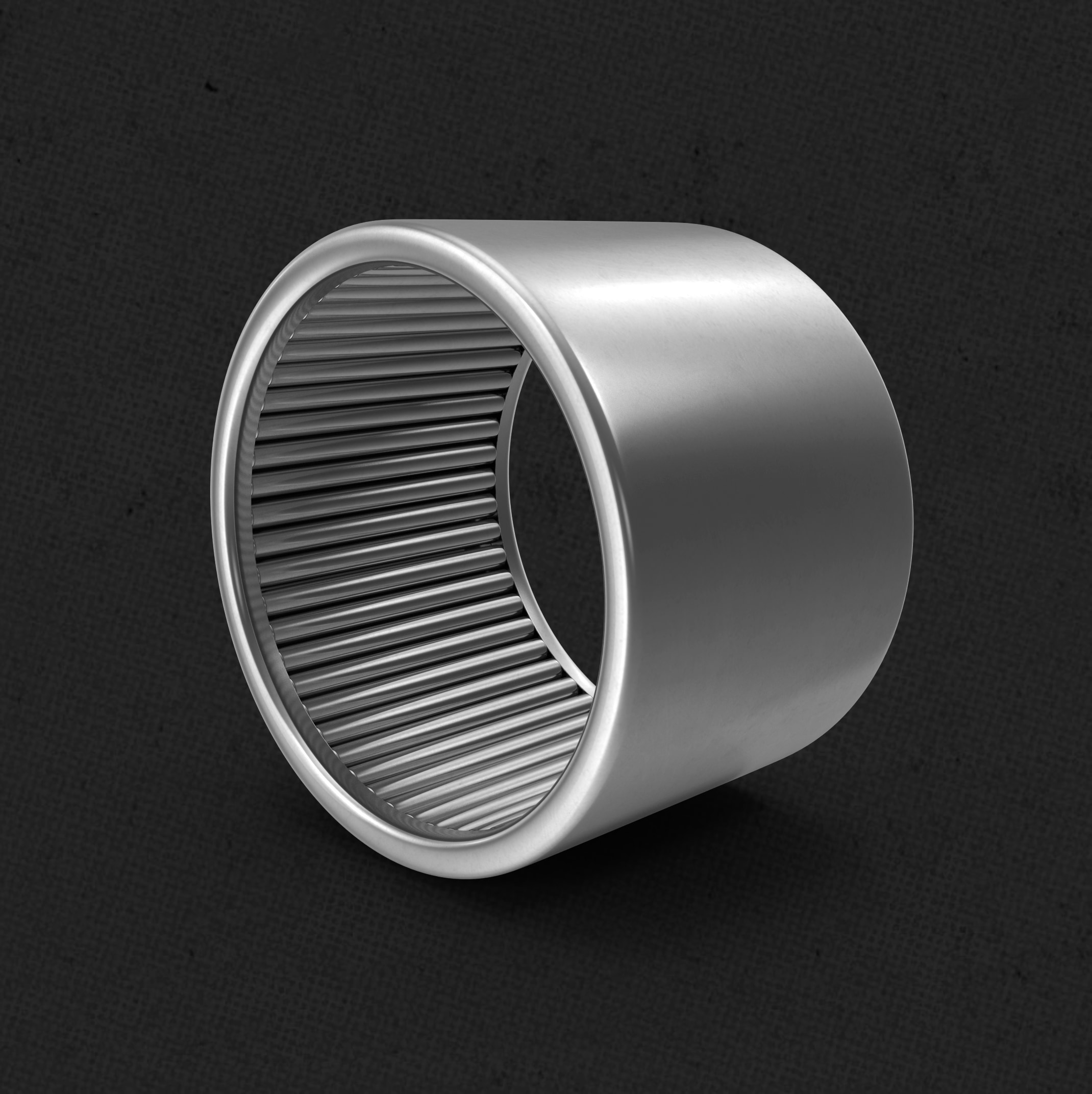
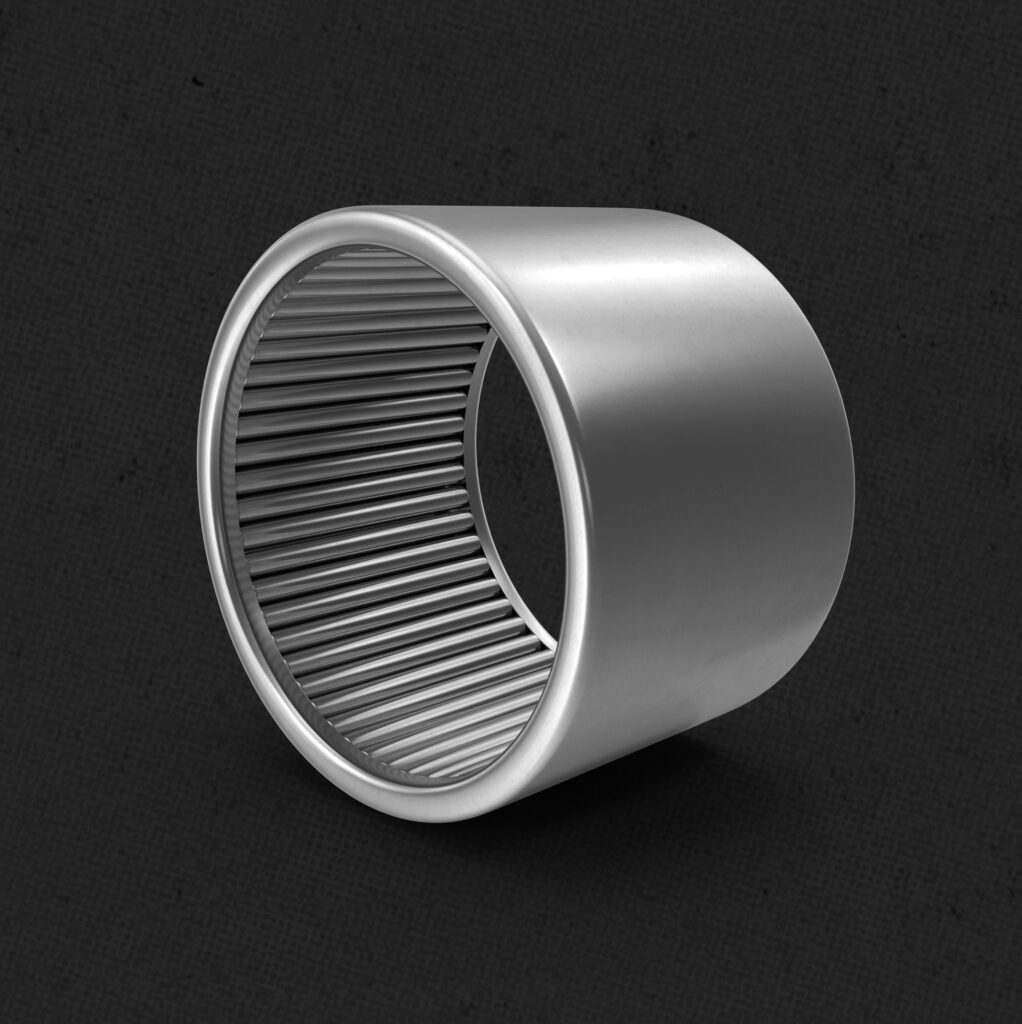
Needle Bearing
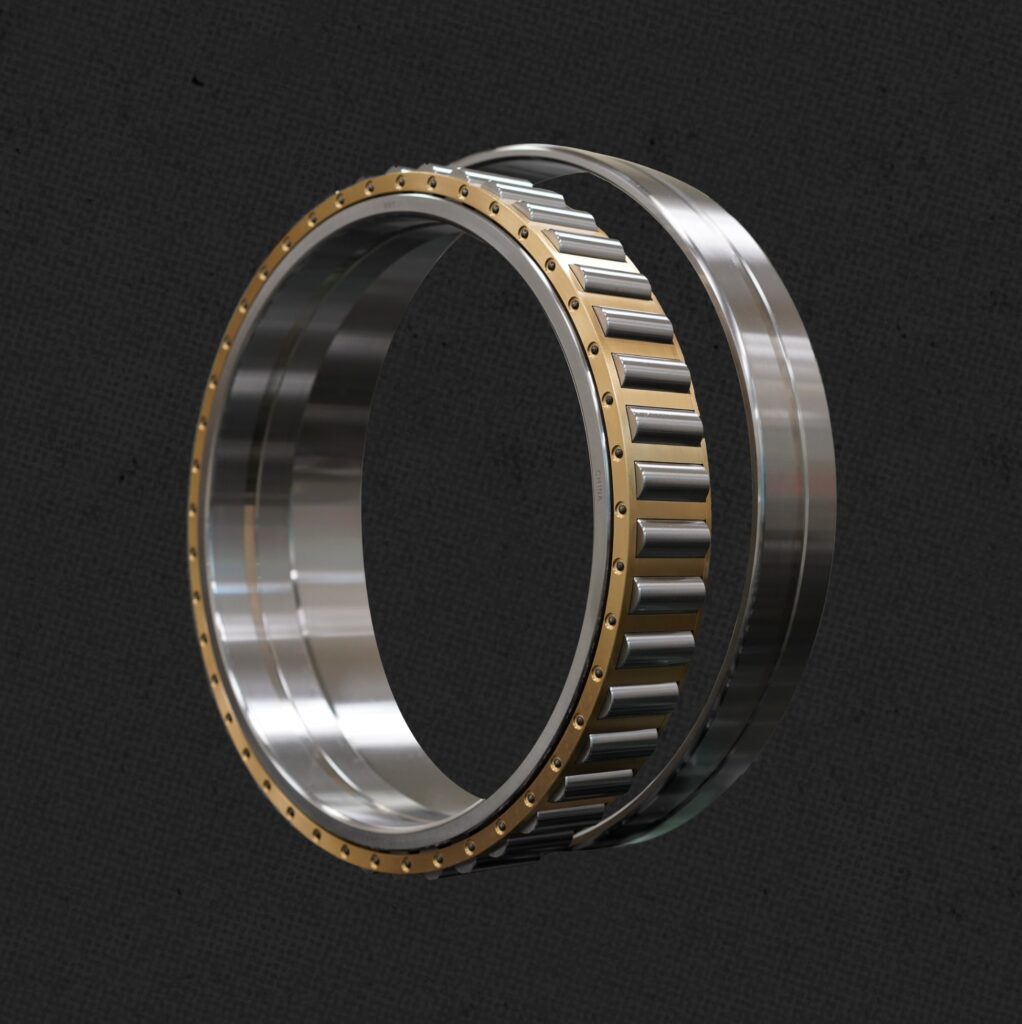
A needle bearing has long, thin, cylindrical rollers that look like needles. They are stronger and more compact than other rollers due to increased surface area contact. This allows them to support substantial loads despite their size.
Advantages
- Compact design that doesn’t sacrifice performance.
- Excellent for high-speed applications.
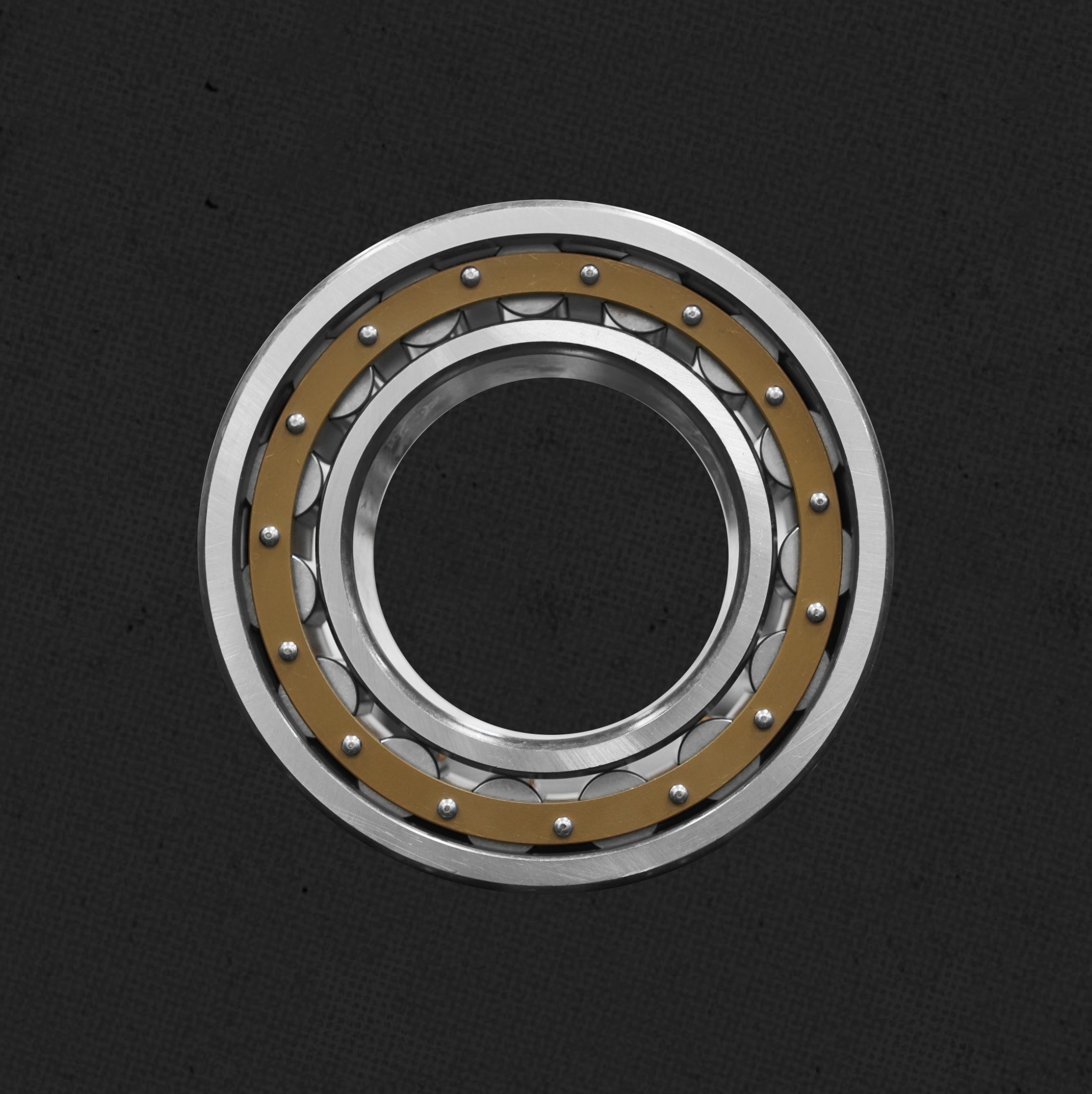
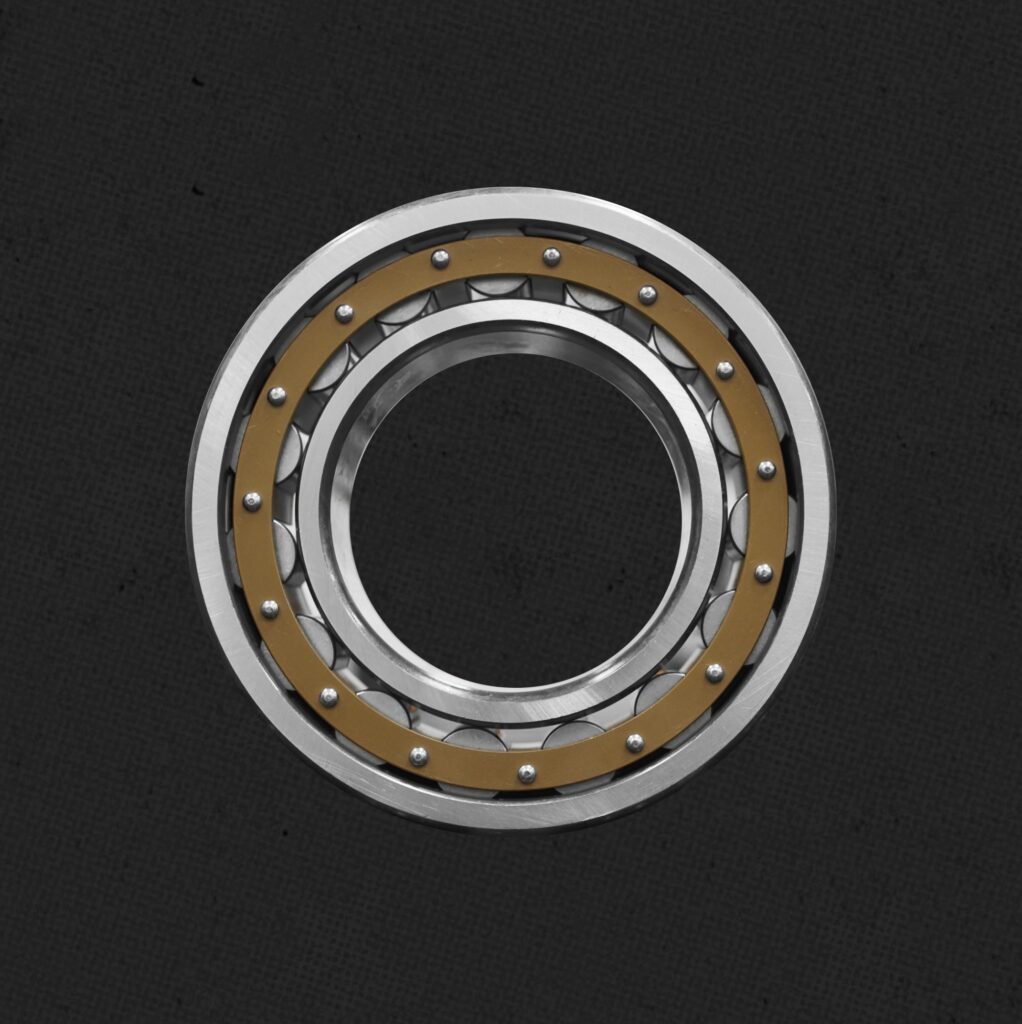
Cylindrical roller bearings
use cylindrical elements, which are shaped like barrels, to separate the inner and outer races. The larger rolling elements handle heavy radial loads as well as moderate thrust loads in either direction.
Advantages
- High Capacity For Radial Forces.
- Efficient At High Speeds.
- Versatility That Suits Various Applications.
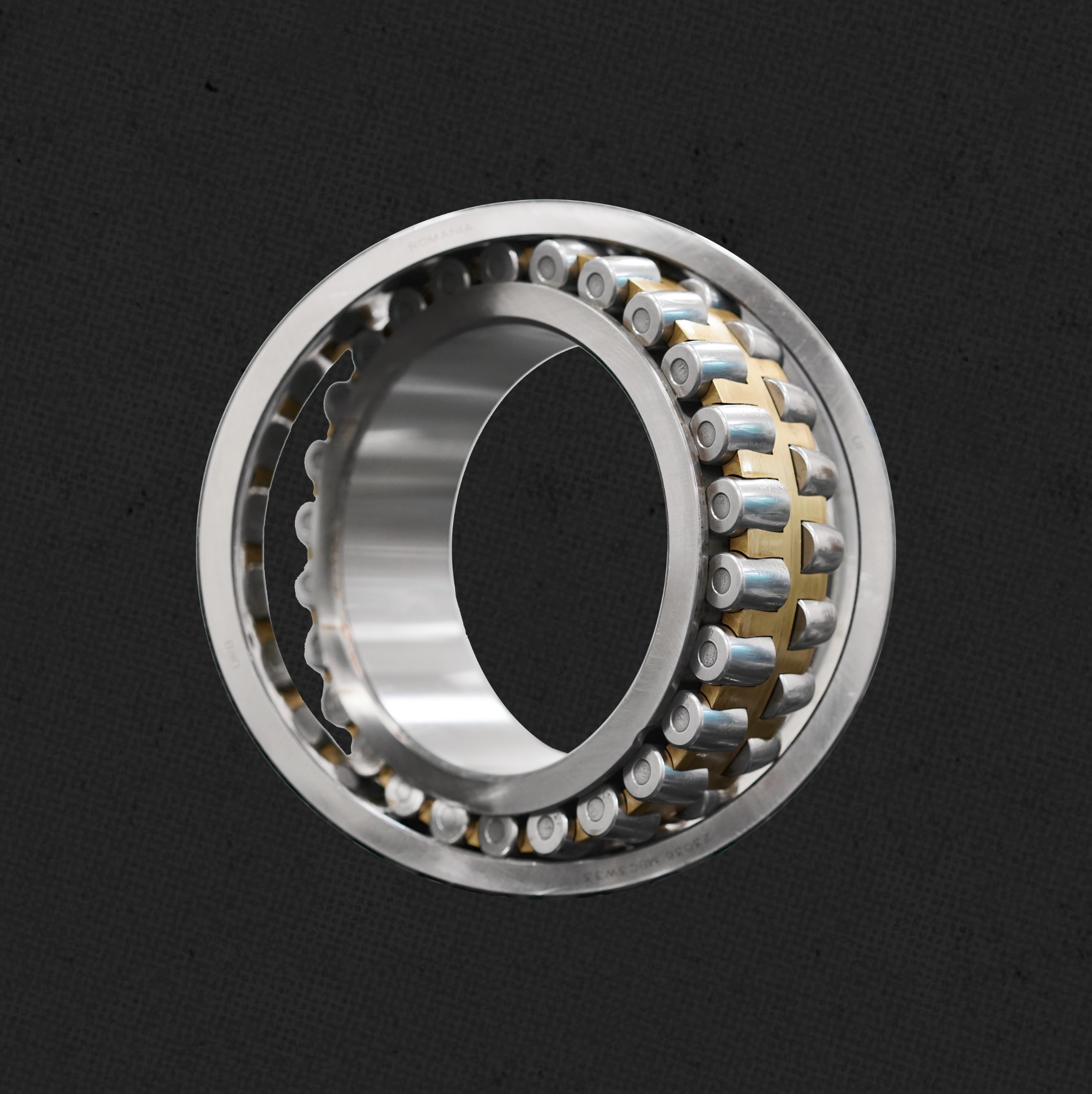
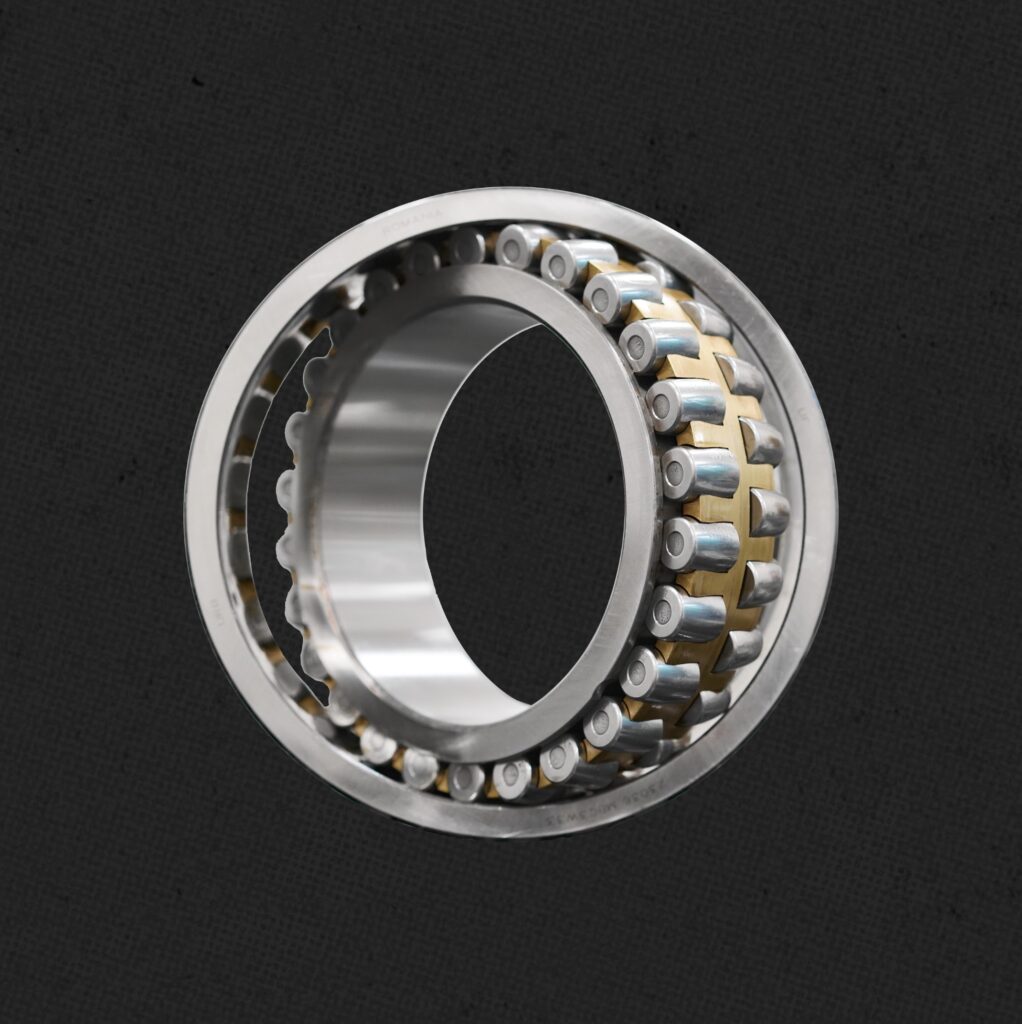
Spherical roller bearing
supports radial and axial loads while compensating for misalignment between the housing and the shaft. The rolling elements in this bearing are arranged in two self-aligning rows, maintaining smooth operation under intense conditions.
Advantages
- Accommodates misalignment without affecting performance.
- Supports both radial and axial loads.
- Durable and resistant to wear and fatigue.
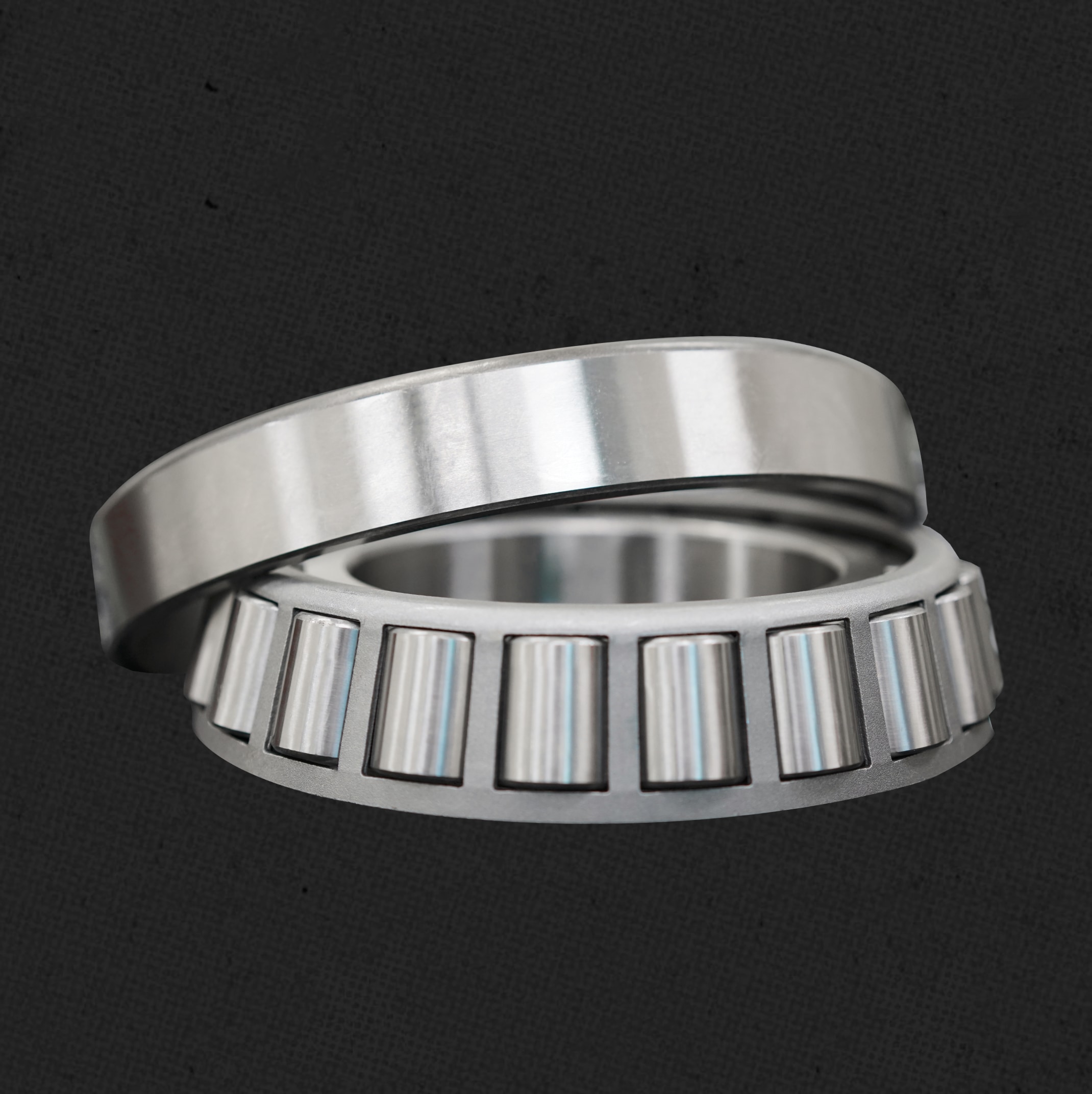
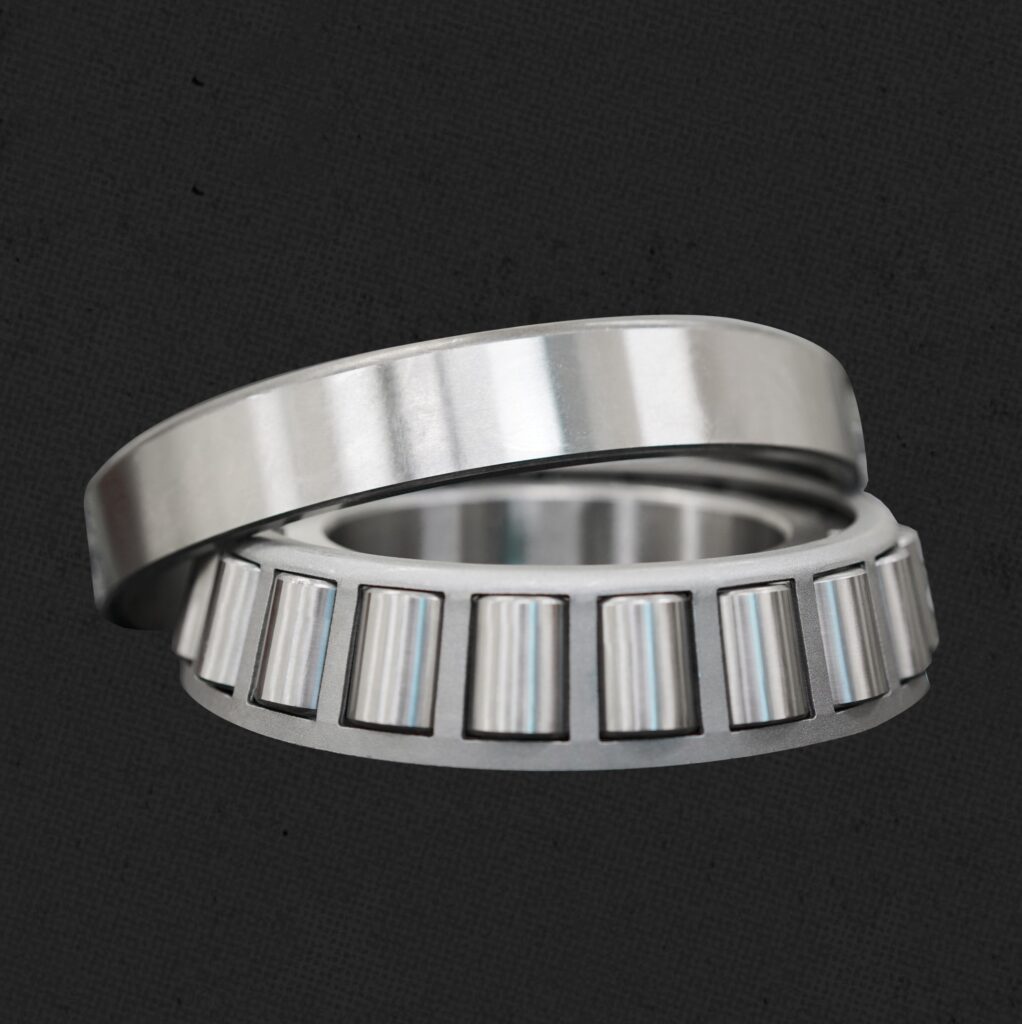
Tapered roller bearing
handles high-capacity loads better than other roller bearings because of its shape. The raceways and rolling elements are tapered, increasing the surface contact and overall durability.
Advantages
- High load capacity simultaneously handles radial and axial loads.
- Withstands high-stress environments.
- Accurate load distribution for smooth operation.
- Increased longevity and extend the service life.

Our Commitment, Your Benefit
EBT Bearings For Your Roller Bearing Needs
At EBT, we pride ourselves on delivering high-quality roller bearings. We seek out bearings manufactured to meet unique demands regardless of industry. Our expertise provides actionable solutions for diverse applications because we understand the critical role bearings play in your operations.
As an action-driven company, our foundation is built upon trust, innovation, and community, making EBT your partner for long-lasting success.
Contact us today for a consultation, request a quote, or check what we have in stock. EBT will deliver. Start the conversation now.